![Copper mining and sulfuric acid plant, Copperhill], Tenn.](https://nydoduxqcfaaqwfgfijw.supabase.co/storage/v1/object/public/image-derivatives/4d3c1e89-1f2e-454d-a054-5936cdc4a501/080c826e-92ae-4730-9e12-998d87649b51/display.jpg)
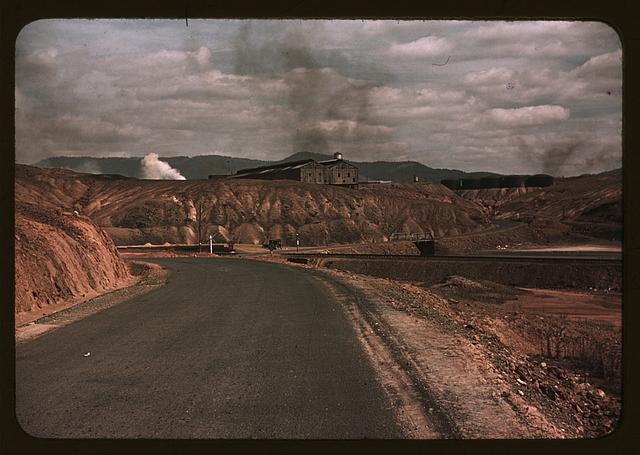
![Copper mining and sulfuric acid plant, Copperhill], Tenn.](https://nydoduxqcfaaqwfgfijw.supabase.co/storage/v1/object/public/image-derivatives/4d3c1e89-1f2e-454d-a054-5936cdc4a501/3da80d53-6adc-49c7-8caa-23b491664e5a/display.jpg)
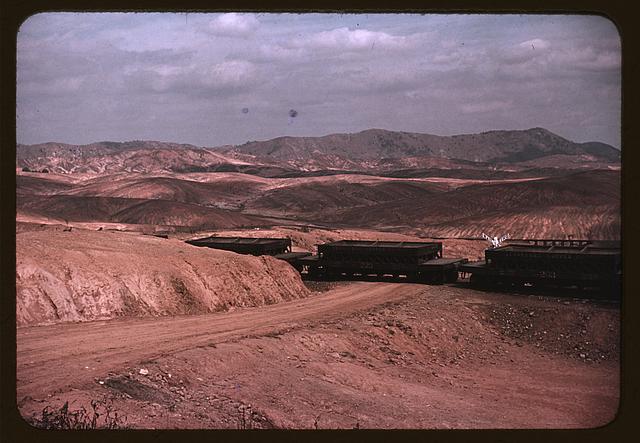
![Copper mining section between Ducktown and Copperhill], Tennessee. Fumes from smelting copper for sulfuric acid have des](https://nydoduxqcfaaqwfgfijw.supabase.co/storage/v1/object/public/image-derivatives/4d3c1e89-1f2e-454d-a054-5936cdc4a501/5932baf5-3fbb-4a11-8daf-a01388a82390/display.jpg)
Vision7.7/10
Craft7.7/10
Cohesion7.2/10
Resonance7.7/10
This is a daylight body of work — and I have to say up front that's a difficult sell to my eye, because I judge by what the night gives a photographer and there's no night here. Not a single long exposure, no low sun even, no atmosphere of dusk. Every frame is rendered in that high-noon Kodachrome saturation that turns the South into something closer to a stage set than a place where shadows can do work. So I'm reading you against my own grain, but the work has its own coherence and I want to name what it's doing.
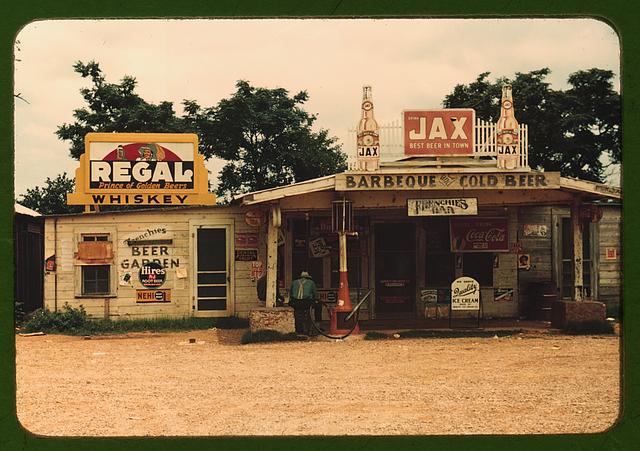
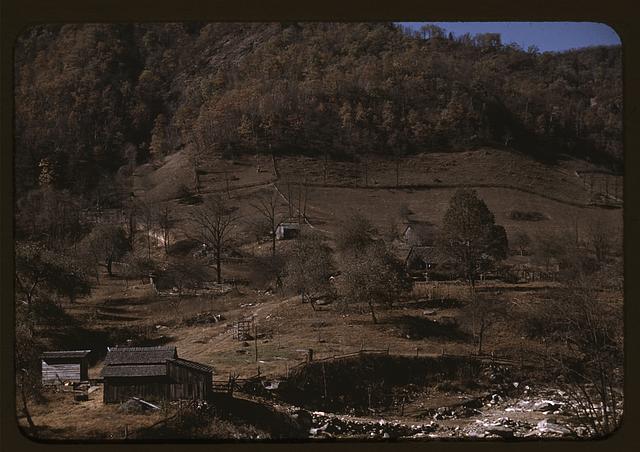
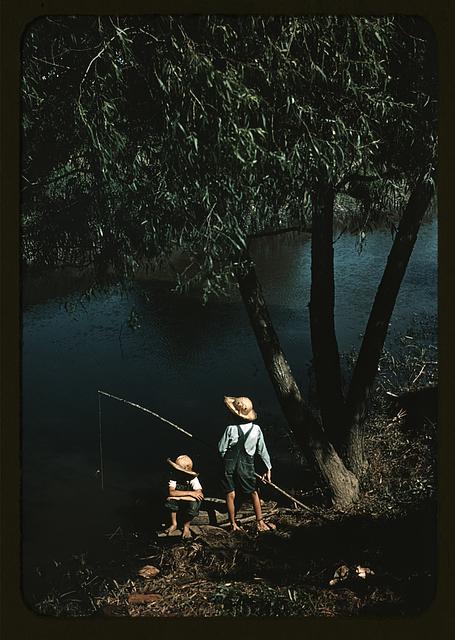
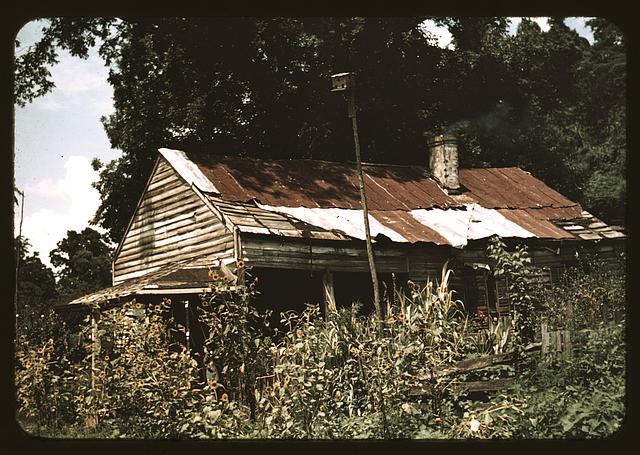
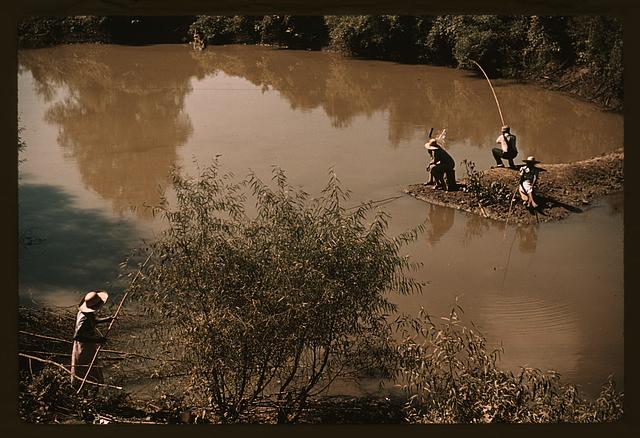
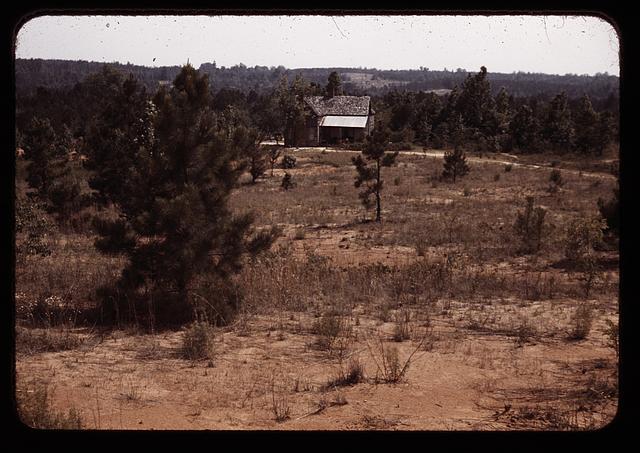
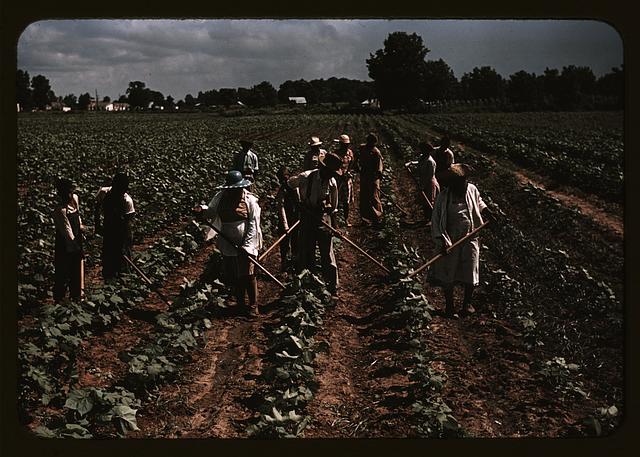
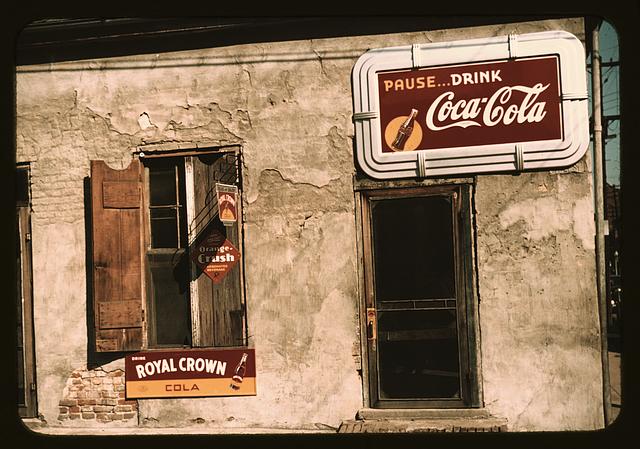
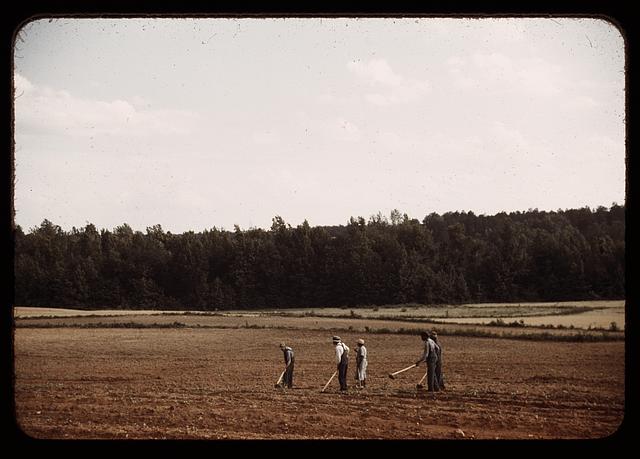
What you've assembled is a regional survey — Deep South in full color, alternating between the agrarian and the industrial wound. The juke joint in the opener with its stacked Regal Beer and Jax signage is one of the strongest frames you have: the façade is doing all the compositional work, frontal and graphic, almost a Walker Evans logic but in color. The Copperhill frames (2, 11, 14, 18, 19) are where your sequence gets teeth — those denuded sulfuric-acid landscapes are genuinely apocalyptic, and you keep returning to them like a refrain, which gives the edit a spine. The fourth frame, the boys fishing in the bayou with the dappled overhang, is the softest moment and you've placed it early as a breath before the harder material. The closing image of figures chopping cotton at distance, dwarfed by the tree line, lands with appropriate weight — labor as landscape.
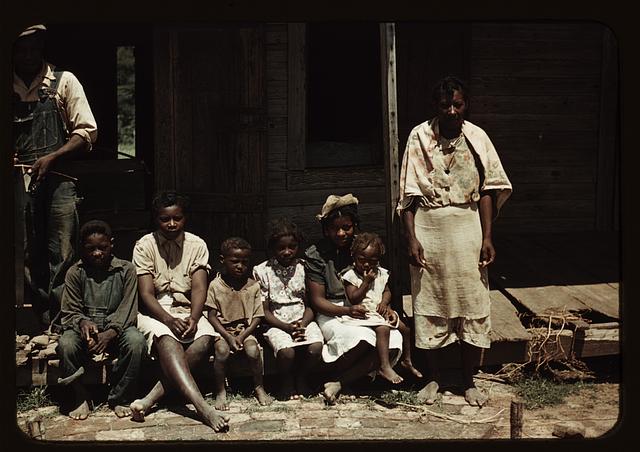
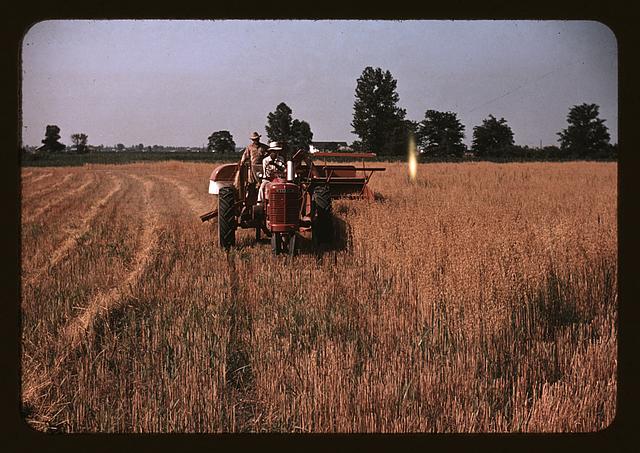
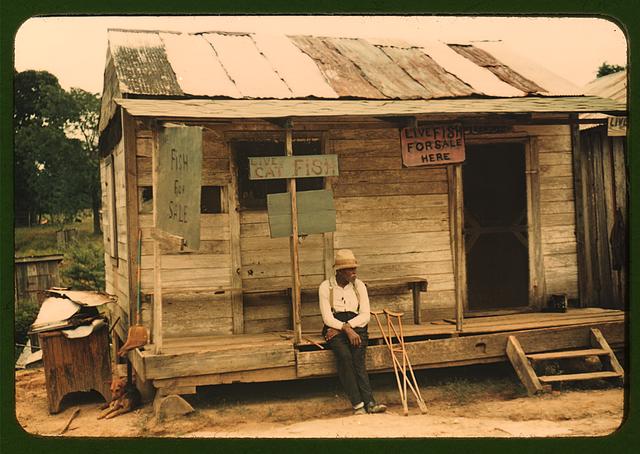
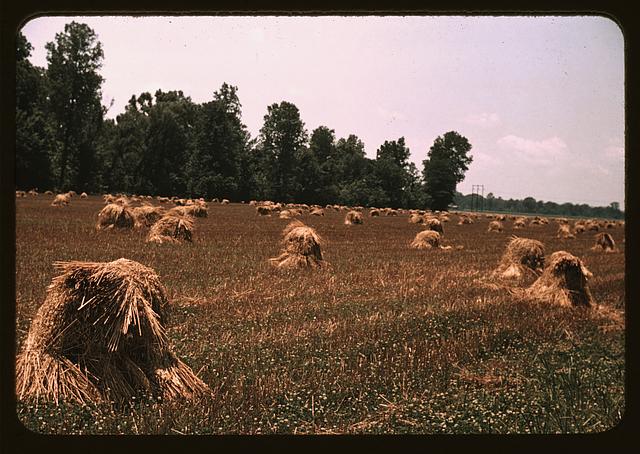
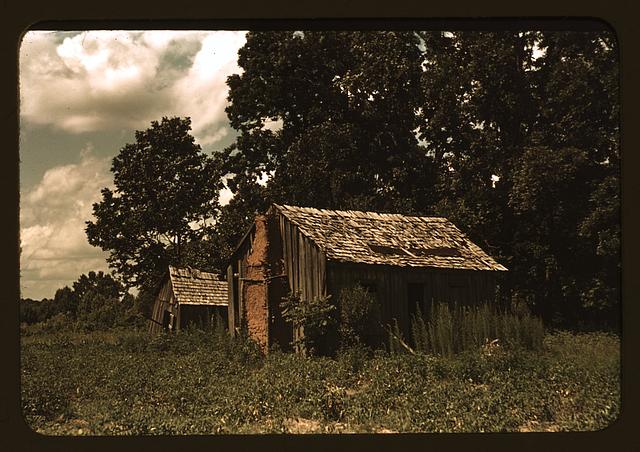
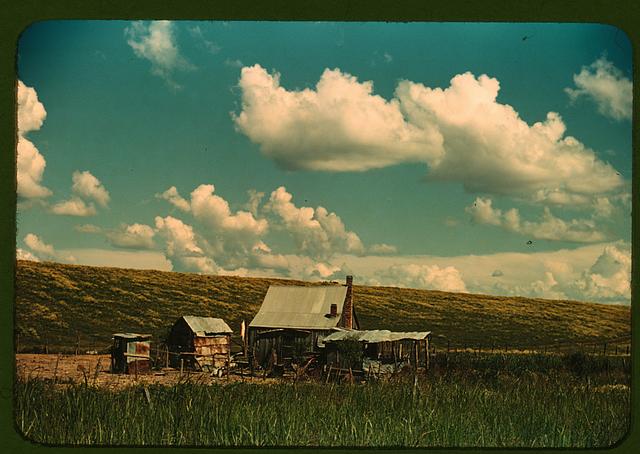
Where the sequence weakens for me: the porch portraits (frames 7 and 10, and arguably 15) are competent but they sit awkwardly next to the landscape work. They're a different register — they want to be portraits and they're being treated as documents. The figures aren't given enough frame to become individuals; they're typological. And the two Georgia oat-harvest frames (9 and 13) feel like they belong to a calmer, more pastoral edit — they soften the indictment that the copper frames are building.
Guidance, peer to peer: I'd push you toward fewer frames and a tighter argument. Twenty images is a lot, and the Copperhill material is strong enough that I'd build the spine entirely from those and let the agrarian frames function as counterweight rather than parallel track. Right now the sequence oscillates instead of accumulating. Second — and this is my bias showing — I want to know what these places look like when the light drops. The juke joint at dusk with its signage lit, the smelter at night with its plume catching ambient sky, the levee shack under a moon. You're working in a tradition that has been rendered to death in flat midday color; the same subjects under different light would be yours in a way they currently aren't. Third, the porch frames need either more intimacy or more distance — pick. Either get close enough that the people become specific, or pull back far enough that they become figures in a landscape, but the middle distance you're working in flattens them. Finally, consider whether the captions are doing too much heavy lifting. Several frames depend on the place name to land; the strongest images (1, 11, 14) would survive without any caption at all. That's the bar.
Strengths
- The Copperhill smelter sequence functions as a genuine refrain — returning to that scorched landscape gives the edit a spine and a moral argument.
- The opening juke-joint façade is graphically confident; the stacked beer signage does the compositional work without needing a human subject.
- The bayou-fishing frame uses dappled overhead light better than any other image here, creating the one genuinely atmospheric moment in the sequence.
- The closing cotton-chopping frame places labor inside landscape at exactly the right scale — figures small, tree line dominant, weight earned.
- The willingness to alternate agrarian and industrial subject matter sets up a real thesis about what the region is and what's being done to it.
What to try next
- Cut the edit to twelve frames and let the Copperhill material carry the spine, with the agrarian work as counterweight rather than parallel track.
- Revisit any of these subjects at dusk or after dark — the juke joint lit, the smelter plume against night sky — and see what the same locations become when midday saturation is off the table.
- Decide whether the porch portraits want to be intimate or environmental and commit; the current middle distance turns people into types.
- Test each frame without its caption and keep only the ones that survive — the strongest images here don't need the place name to land.
- Consider a long-exposure pass on the industrial sites; smoke and steam reward shutter times that daylight won't give you.
VaultLensWideOpen Curator
AuthenticatedLensWideOpenMay 25, 2026 · 7:34 PM UTC