Panel Review · Beginner-level guidance

Childhood Toys

By Keith Brown · 5/24/2026

Body of Work Score

54/ 100 overall*Panel's read: Intermediate
Vision5.8/10
Craft4.8/10
Cohesion5.7/10
Resonance5.2/10

Scores are absolute — they reflect the work itself, not the photographer's declared level. The same body of work earns the same numbers whether submitted by a beginner or an expert; only the Curators' guidance adapts to level. Keeps the Body of Work leaderboard meaningful and lets photographers track real progress over time.

The sequence

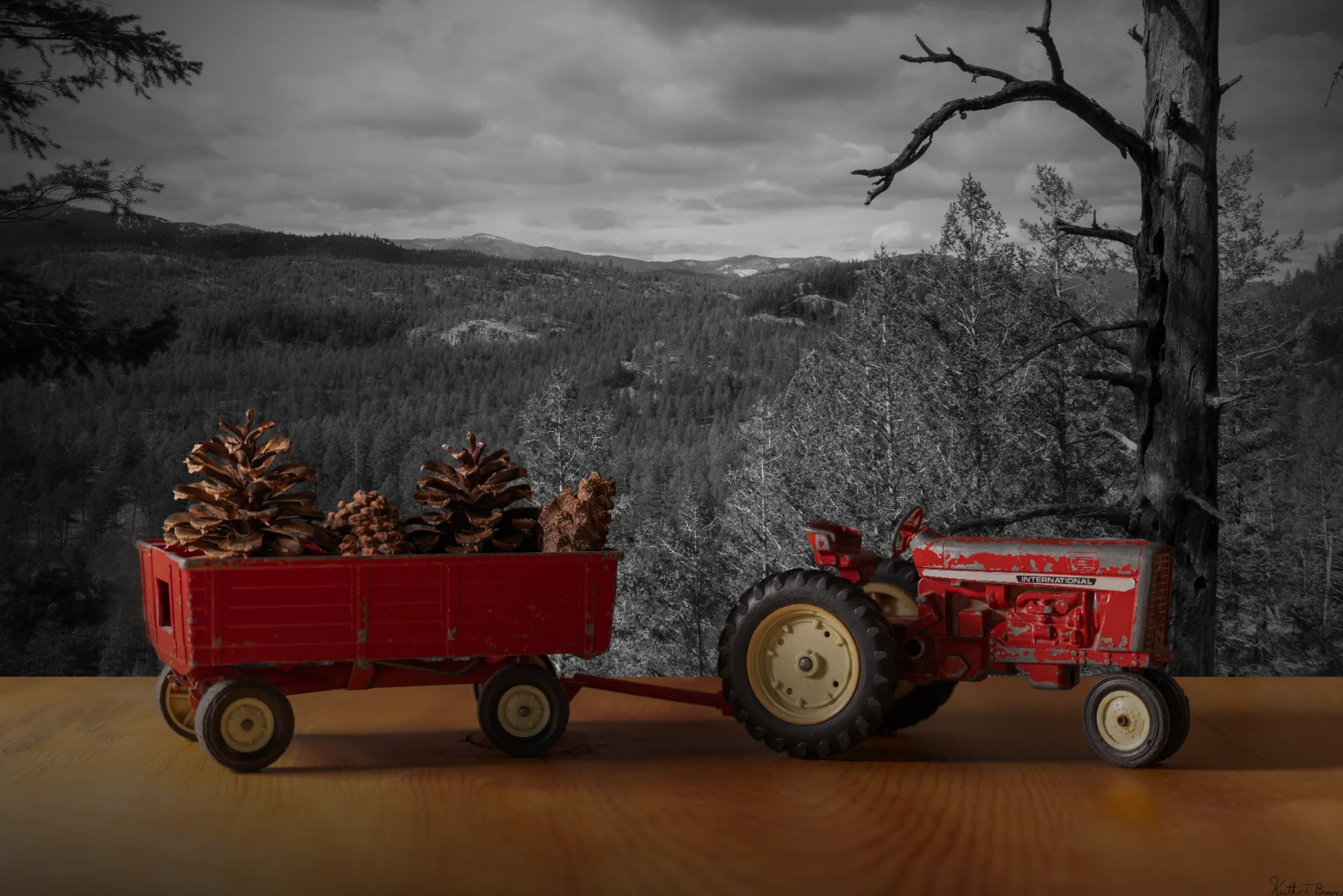
Red Toy Tractor and Wagon with Pinecones1🛠 Camera Enhanced
Red Toy Tractor and Wagon with Pinecones
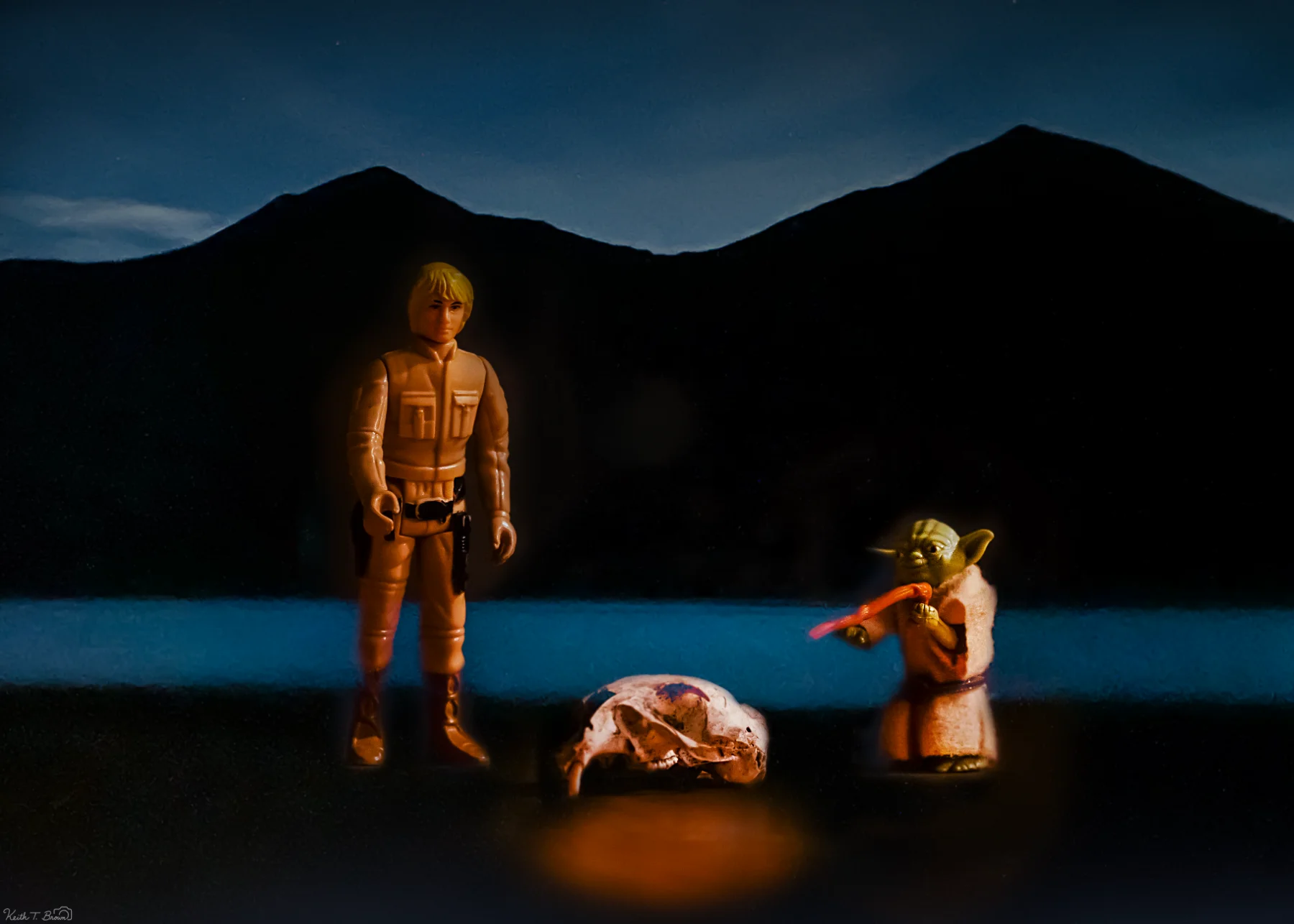
Vintage Figures on Alien Landscape2🛠 Camera Enhanced
Vintage Figures on Alien Landscape
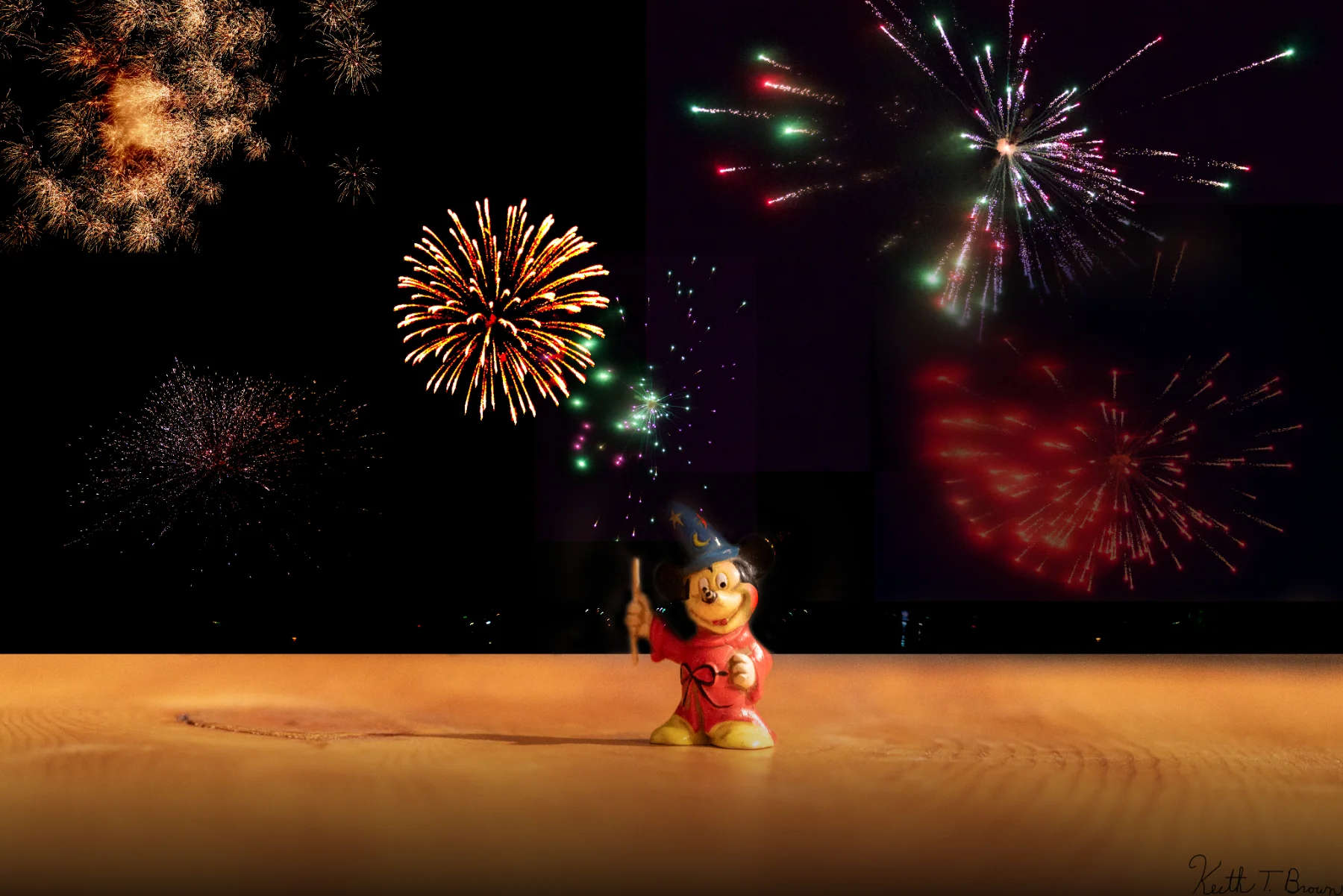
Child watching fireworks display3🛠 Camera Enhanced
Child watching fireworks display
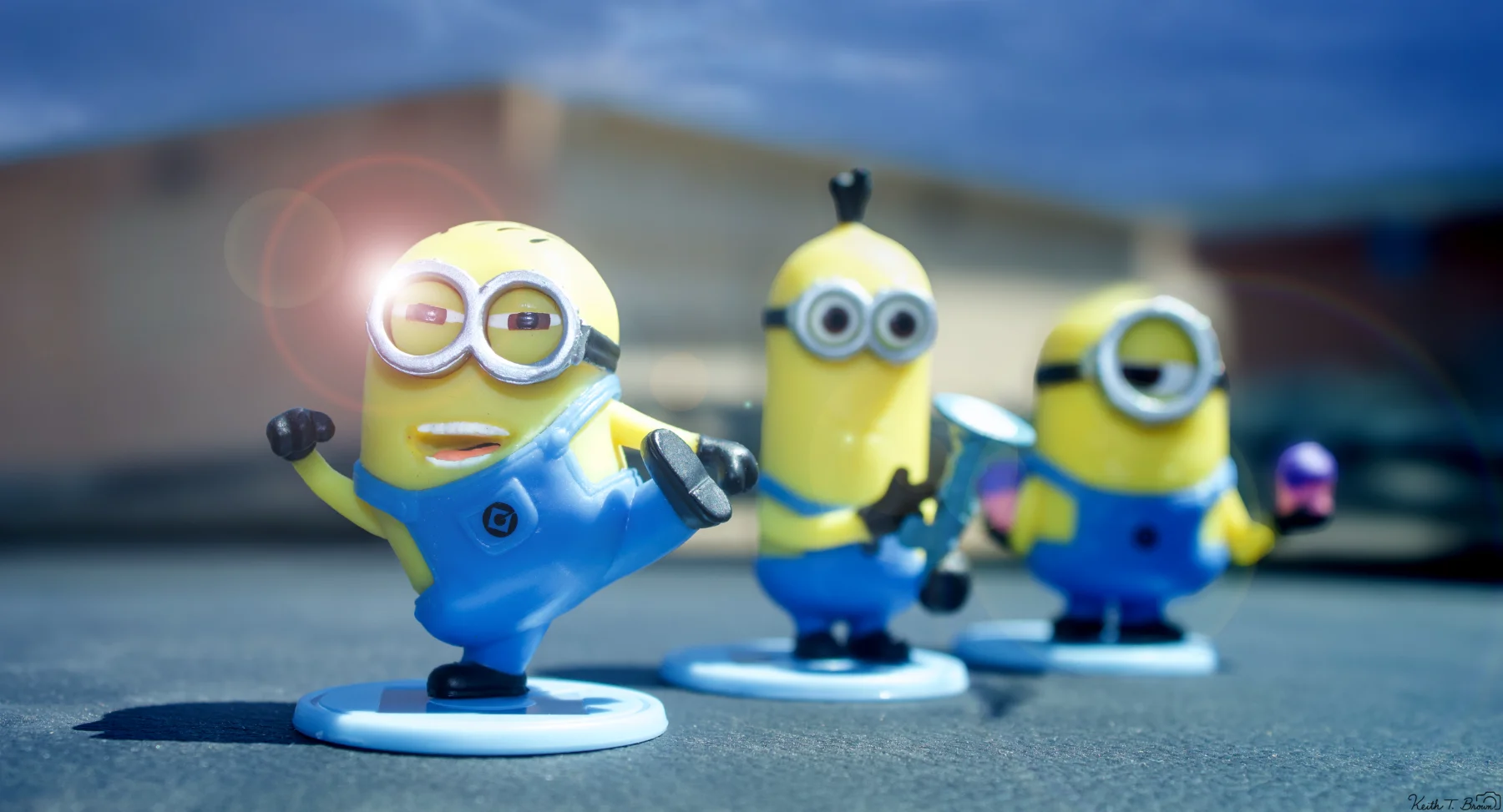
Minion figures in outdoor scene4🛠 Camera Enhanced
Minion figures in outdoor scene
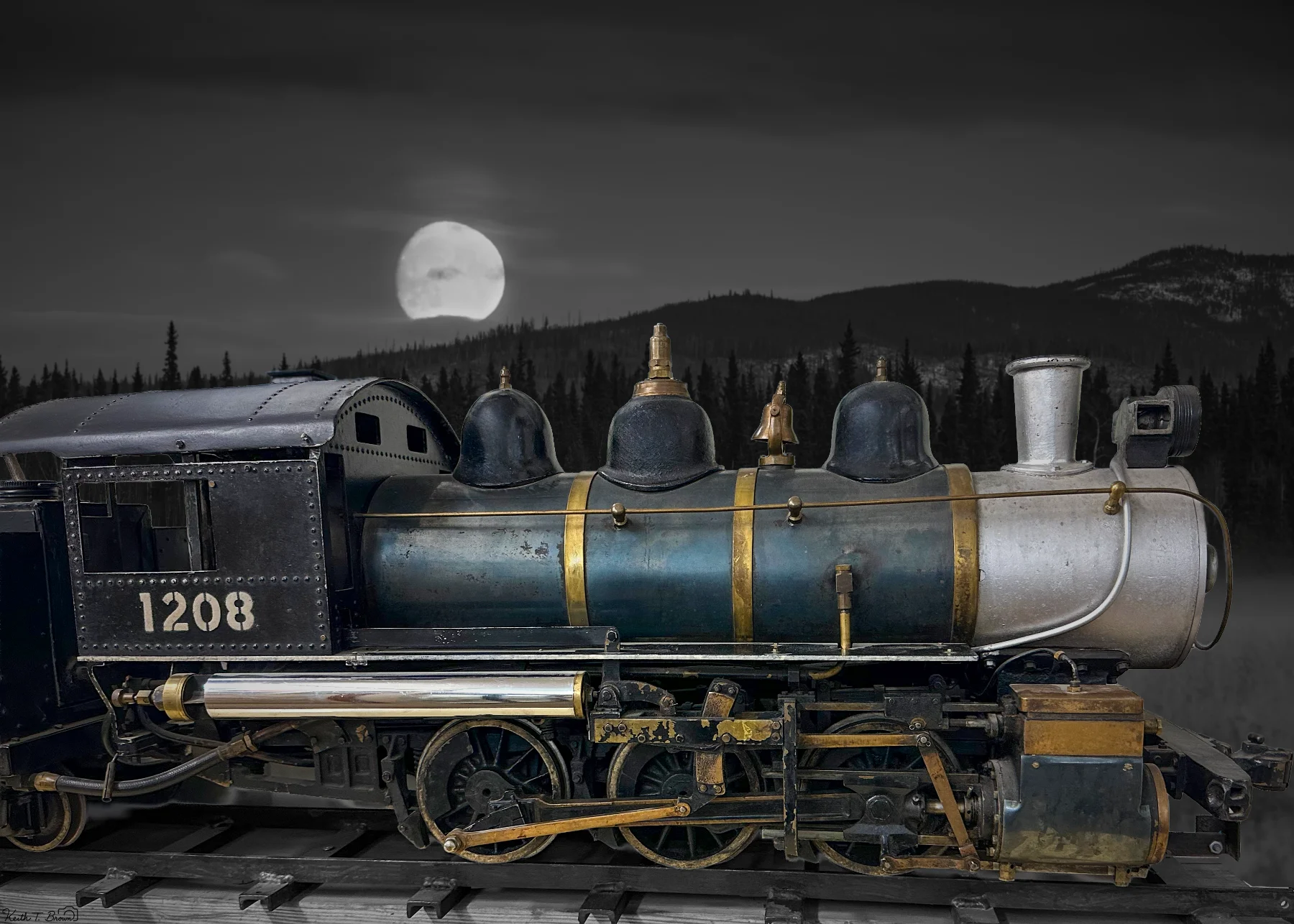
Vintage steam locomotive under moonlit sky5🛠 Camera Enhanced
Vintage steam locomotive under moonlit sky

Project statement

Still life photos of childhood toys set against real-life backdrops. Meant to invoke memories and imagination.

The Panel

The 3 Curators who read your work.

Hush

Hush values the intimate and unguarded — a hand at rest, a partial gesture, a window of light on a private moment. Hush rewards quiet humanity over staged drama, favoring images that feel observed rather than performed.

Verdant

Verdant is drawn to living, growing subjects: leaves backlit by sun, macro detail of flowers and fungi, the soft architecture of forests. Verdant rewards images that feel like a moment of breath — a stem leaning toward warmth, water on a petal — and emphasizes organic line, lush color, and the play of natural light.

Crux

Crux is drawn to the body at the edge of its capability. Crux rewards athletic technique — fingertips at full stretch, the moment of release, the exact instant of impact — and photographs that capture peak motion without sacrificing composition. Unmoved by static team shots or generic sideline coverage.

Synthesis

Cross-Curator read of where the panel agreed and diverged.

This project has a clear, workable concept and a consistent staging grammar — toys placed against landscapes that dwarf them, asking the viewer to lean into the scale collision and feel something about memory. The Star Wars frame is the one that consistently lands as the strongest: the warm light on Luke and Yoda agrees with the cool dusk behind them, and the small creature on the ground gives the figures something to look at, which turns an arrangement into a scene. The locomotive frame also draws warm responses for its restrained blue-grey palette and held, contemplative mood. The pinecones tucked into the red wagon get singled out repeatedly as the single smartest detail in the set — a real, textured bridge between toy-scale and the world behind it. Where reads diverge: the tractor's selective-color treatment is described as both a clever memory-coded move and as an effect that competes with the concept rather than serving it, and the locomotive is praised as the most fully realized image by one read while another flags it as collage because the moon and the engine don't share a light source. The Mickey-and-fireworks and the Minions frames are more uniformly seen as the weaker entries, the latter for breaking the quiet mood of the rest. The most actionable thread running through every read is light matching: look at where the light lives in your backdrop (left, right, warm, cool, soft, hard) and place a single lamp on your toy from that same side and color. Pair that with a lower camera angle and a foreground that belongs to the scene, and the spell will hold.

Curator reads

Hush
Vision6.0/10
Craft5.0/10
Cohesion5.5/10
Resonance5.5/10
Your project sits in an interesting tension: you're working with objects that are, by their nature, performed — toys are made to be played with, posed, animated by a child's imagination. So when you place them against landscapes, you're asking the viewer to meet you halfway, to lean into the artifice rather than away from it. The strongest moments in this sequence are the ones where you let quiet do the work, and the weakest are where the staging shouts. The fifth frame, the locomotive under the moon, is where your eye is sharpest. The desaturated sky, the single warm glow of the moon, the patina on the metal — there's a held breath in it. Nothing is trying too hard. The locomotive feels like it's remembering something rather than performing for us. The second frame, the Star Wars figures on the dim landscape, has a similar pull for me: the low warm light catching Luke's face, the small huddled shape on the ground between them, the mountains barely separated from the sky. It feels like a scene paused mid-thought. That image, for me, is the closest you come to the memory-state your statement is reaching for. The first frame, the red tractor with pinecones, leans on a familiar selective-color move — red object, desaturated world — and the wooden tabletop edge is visible, which breaks the illusion you've otherwise built. The third frame, the Mickey figure against fireworks, is charming as an idea but the composited fireworks feel pasted rather than witnessed; the figure sits alone on a vast empty tabletop and the eye has nowhere intimate to land. The fourth frame, the minions, is the loudest of the set — bright sun, posed action, glossy plastic — and it pulls against the contemplative mood the rest of the sequence is building. It feels like a different project. Now, gentler suggestions for where you might push. Your statement says "memories and imagination," and memory tends to be soft, partial, low-contrast. The locomotive and the Star Wars frames understand this. Consider whether every image in the set wants that same emotional register, and let the louder ones go — or shoot them differently. A minion in soft overcast light, slightly out of focus, found on a curb rather than posed, would feel more like a memory than three of them arranged mid-leap in direct sun. On craft: try working with one light source rather than mixed light, especially for the indoor or tabletop setups. In the tractor image, the toy is lit flatly from the front while the backdrop has its own separate light logic — that mismatch is what tells our eye "composite." If you light the toy to match the direction and softness of the light in the backdrop (a window on an overcast day is your friend here — soft, directional, free), the two worlds start to belong to each other. Also: get your camera lower. Toy-height. When we played with these things as kids, our eyes were inches from them. A low angle would put us back in that body. Finally, think about hiding the seams. The visible tabletop edge in frame one, the flat ground plane in frame three — these are the moments the spell breaks. You can crop tighter, blur the foreground, or shoot through grass, dust, a windowsill — anything that gives the toy a world to sit *in* rather than *on*. The memory you're chasing lives in those small textures.
Strengths
  • The locomotive frame achieves a genuinely held, contemplative mood through restrained color and a single soft light source.
  • The Star Wars scene uses warm low light and a small huddled central element to create real narrative intimacy.
  • Your instinct to desaturate backdrops so the toy carries the color is a clear, consistent voice choice across the set.
  • The project concept itself — toys against real landscapes as memory triggers — is a strong, workable through-line.
What to try next
  • Match your light: notice the direction (left, right, above) and softness of light in your backdrop, then light the toy the same way — an overcast window is a free, forgiving soft light to practice with.
  • Shoot from toy-height; getting the camera down to the figure's eye level puts the viewer back into a child's body and makes the scene feel inhabited rather than observed from above.
  • Hide the seams — crop out visible tabletop edges, or shoot through foreground texture (grass blades, dust, a blurred object close to the lens) so the toy sits *in* a world rather than *on* a surface.
  • Edit for emotional consistency: the minions frame is bright and posed while the rest of your set is quiet and memory-toned — consider whether every image belongs to the same mood, and be willing to cut the ones that don't.
  • Try the rule of thirds in the fireworks frame: placing Mickey off-center, smaller in the frame, with more negative space above, would make him feel like he's watching something vast rather than standing alone on a stage.
HushLensWideOpen Curator
AuthenticatedLensWideOpenMay 24, 2026 · 2:10 PM UTC
Verdant
Vision6.0/10
Craft5.0/10
Cohesion5.5/10
Resonance5.5/10
Your project sits in a tradition that's tricky to pull off — the toy-as-stand-in-for-memory — and the strongest thing you've done across these five frames is commit to a consistent staging language. Each toy gets a horizon, a sky, and a tabletop foreground, and that repetition is doing real cohesive work even when the individual images vary in mood and success. I read the sequence as an attempt to give miniature objects the weight of full-scale experience, and when it lands, it lands warmly. The opening tractor frame is the clearest statement of intent. Desaturating the forest backdrop while leaving the red tractor and its load of pinecones in color is a memory-color move — the way a child remembers the toy more vividly than the world around it. The pinecones in the wagon are a lovely touch because they bridge the toy's scale with something real and organic from the landscape behind it. The second image, with Luke and Yoda on what reads as a lakeshore at dusk, has the most atmospheric light of the set — that warm rim on the figures against the cool blue mountains is genuinely cinematic, and the small creature on the ground gives the scene a narrative beat. The fireworks frame is sweet in concept but the sorcerer Mickey feels stranded; he's small in the frame and the bursts behind him don't quite feel like they belong to his sky. The Minions image is the outlier — bright midday sun, asphalt, a lens flare, a blurred building — it breaks from the contemplative, dusk-and-forest register the other four share. The closing locomotive against the moon is your most ambitious composite, and the teal and brass of the engine against the desaturated hills echoes the tractor's color logic nicely. If you want to push this further, the first thing I'd think about is light direction and light matching. In the Yoda frame, the warm light on the figures looks like it could plausibly come from a campfire just out of frame, and that believability is what sells the illusion. In the Mickey and locomotive frames, the toys are lit from the front and the backgrounds are lit from elsewhere, and your eye picks that up even if it can't name why. Next time you set up a shot, look at where the light is in your background image, then place your single light source (even a desk lamp or phone flashlight) on the same side at roughly the same height. That one habit will do more for these composites than any editing trick. Second, think about getting your camera lower. You're shooting most of these from slightly above the toys, which keeps them feeling like toys on a table. Drop the camera to the toy's eye level and the figure starts to inhabit the landscape instead of sitting in front of it. The Minions shot actually does this and it's why, despite the harsh light, those figures feel the most alive. Third, I'd gently push you to lean harder into the natural and organic side of your concept. The pinecones in the wagon are the single best detail in the whole set because they're real, textured, and from the world behind the toy. Imagine the locomotive with actual pine needles on its tracks, or Yoda standing in real moss. Those small bridges between toy-scale and world-scale are where the memory-and-imagination idea you're chasing actually lives. Finally, consider whether the Minions frame belongs in this edit. Cutting one image to strengthen a sequence is a real skill, and four quiet frames will hit harder than five mixed ones.
Strengths
  • The selective color choice in the tractor frame is a smart, restrained way to evoke how memory privileges the toy over its surroundings.
  • Real pinecones in the toy wagon are the single best detail in the set — a genuine bridge between toy-scale and the world.
  • The warm rim light on Luke and Yoda against the cool dusk mountains is atmospheric and cinematic.
  • You've committed to a consistent staging grammar — horizon, sky, tabletop — that gives the series real cohesion.
  • The teal and brass of the locomotive against the desaturated landscape shows you're thinking about color relationships, not just subjects.
What to try next
  • Match your light direction to the background — look at where the sun or moon is in your backdrop, then place your lamp on the same side so the toy looks like it belongs in that world.
  • Lower your camera to the toy's eye level; shooting down keeps them feeling like objects on a table, while shooting across makes them feel like inhabitants of the scene.
  • Bring more real organic material into the frame the way you did with the pinecones — moss, leaves, twigs, dirt — these small textures sell the illusion better than any backdrop.
  • Try working only in soft natural light (open shade, dusk, an overcast afternoon) for the next round; the Minions frame shows how harsh midday sun flattens these small subjects.
  • Be willing to cut images that break the mood of a series — four quiet, unified frames will resonate more than five mixed ones.
VerdantLensWideOpen Curator
AuthenticatedLensWideOpenMay 24, 2026 · 2:10 PM UTC
Crux
Vision5.5/10
Craft4.5/10
Cohesion6.0/10
Resonance4.5/10
Let me say up front: you've handed me a body of work about stillness, and I judge bodies in motion — toys at rest are the exact opposite of what my eye is trained for. So take this read knowing my instinct is to ask where the kinetic charge lives, and in still life that charge has to come from light, gesture, and the believability of the staged moment. With that framing: the project has a clear concept and you're committing to it across all five frames. Toys against larger worlds, scale play, the memory-fantasy collision. That's a real idea. The first frame, the red tractor and wagon with pinecones, leans hardest on the selective-color move — desaturated landscape, red toy. The pinecones in the wagon are a smart find; they belong in that world at toy scale and they soften the cut-and-paste feeling. But the toy sits flat on a wood tabletop while the background is a sweeping vista, and the light on the tractor doesn't match the overcast mood behind it — that gap is where the illusion breaks. The Star Wars frame is the strongest of the set for me. The warm campfire glow on Luke and Yoda actually agrees with the dark blue ambient of the landscape, and the little creature on the ground gives the figures something to look at, which creates a story beat. Eye goes Luke, creature, Yoda — that's composition doing real work. The Mickey-and-fireworks frame is charming in concept but the figure is dropped dead-center on a bare tabletop and the fireworks read as a flat screen behind him; he isn't lit by them, so he doesn't feel inside the event. The minions frame is the most photographically straightforward — natural light, real ground, shallow depth — and it's competent but the least imaginative because the backdrop is just "outside." The closing locomotive with the moon is atmospheric and the blue-on-grey tonality is lovely, but again the moon and the engine don't share a light source, so it reads as collage rather than scene. Here's what I'd point you toward. The single biggest lever you can pull is light matching. When a toy and its backdrop disagree about where the light is coming from, the brain catches it instantly, even if the viewer can't name why. Before you composite or shoot, decide: where is the sun, moon, or fire in this scene? Then light your toy from that same direction with the same color (warm for fire and sunset, cool blue for moonlight, flat and soft for overcast). A cheap desk lamp with a piece of orange or blue cellophane will get you most of the way there. Second: ground your subjects. The tabletop wood grain under Mickey and the tractor pulls them out of the world you built. Try shooting the toy on a surface that could plausibly belong to the backdrop — dirt, gravel, moss, a dusted black surface for night scenes — or blur the foreground so the seam disappears. Third: give the figures something to do or look at. The Yoda frame works because there's an implied story. The minions are posed, the Mickey is posed, the tractor just exists. A second object, a gesture, a gaze line — any of these turn an object photo into a scene. Fourth: reconsider the selective-color treatment on frame one; it's a strong effect that competes with your concept rather than serving it. Let the toy belong to its world instead of being highlighted as separate from it. The idea is good. Push the believability of each staged moment and the work will start to hold.
Strengths
  • The Star Wars frame genuinely succeeds — warm figure light against cool landscape ambient, plus a third object that creates a story beat between the two characters.
  • You've committed to a clear, repeatable concept across all five images, which already puts the work ahead of a random portfolio.
  • The pinecones in the red wagon are an inventive scale prop that helps the toy belong to the landscape behind it.
  • Tonal control in the locomotive frame is genuinely pretty — the blue-grey palette and silhouetted treeline create real mood.
  • You're thinking about backdrops as collaborators, not just backgrounds, which is the right instinct for this project.
What to try next
  • Match the light direction and color between your toy and your backdrop — if the backdrop shows moonlight, light your toy from the same side with a cool blue lamp, because mismatched light is what breaks the illusion fastest.
  • Replace the wood tabletop foreground with a surface that belongs to the scene (dirt, gravel, sand, a dark matte surface for night) so the toy doesn't look pasted onto a desk.
  • Add a second element or implied action to each scene — a gaze line, a prop, a gesture — the way the creature on the ground gives the Star Wars figures something to react to.
  • Try shooting the toy and the backdrop in the same actual location when possible, even if the backdrop is just a printed image propped behind the toy, so a single light source falls on both.
  • Drop the selective-color edit on the tractor frame and try a version where the whole scene shares one palette — the concept is stronger when the toy belongs to its world rather than being highlighted as separate from it.
CruxLensWideOpen Curator
AuthenticatedLensWideOpenMay 24, 2026 · 2:10 PM UTC